
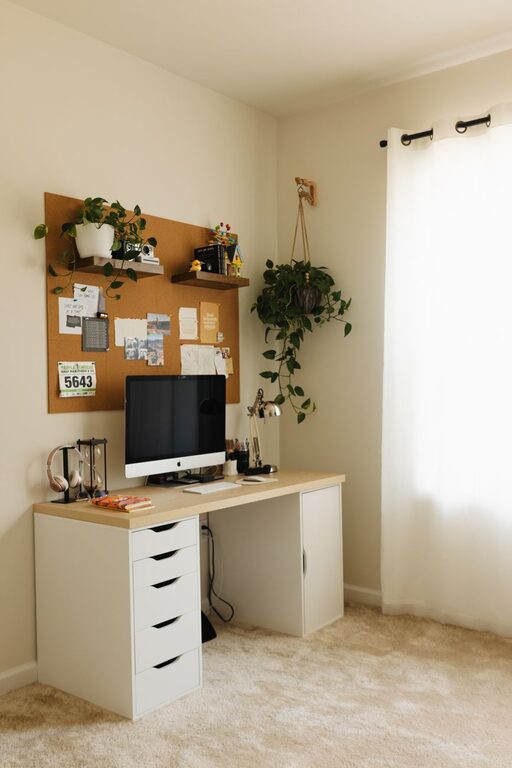
Creating a productive home office environment can make a significant difference to how efficiently you work and how comfortable you feel throughout the day. Whether you’re new to remote working or aiming to improve your existing workspace, simple adjustments can help you maintain focus, reduce stress, and enjoy your day-to-day tasks. In this post, we’ll explore helpful tips to transform your home office into a haven of productivity.
Choosing the Right Location
Your home office should ideally be in a quiet area with minimal distractions. Here are some factors to consider when picking your spot:
– Natural light: Position your desk near a window to benefit from daylight. Natural light can boost mood and energy levels.
– Privacy: Avoid high-traffic zones in your home to reduce interruptions.
– Space: Ensure there’s enough room to move comfortably and organise your materials.
If space is limited, consider creative solutions such as converting a small nook or using portable furniture that can be put away when not in use.
Ergonomics Matter
Comfort goes hand-in-hand with productivity. Investing in ergonomic furniture and setting it up correctly will help you maintain good posture and avoid discomfort.
– Chair: Choose an adjustable chair with good lumbar support.
– Desk height: Make sure your desk is at the right level so your arms are at a 90-degree angle when typing.
– Screen placement: Your monitor should be at eye level to prevent neck strain.
– Keyboard and mouse: Position these within easy reach to avoid overextending your arms.
Taking small breaks to stretch or move about also helps reduce strain and fatigue.
Organise Your Workspace
A cluttered desk can cause distractions. Keep your workspace tidy and organised to enhance focus.
– Declutter daily: Spend a few minutes at the end of each day putting items back in their place.
– Use storage solutions: Drawers, shelves, and organisers help manage papers and supplies.
– Digital organisation: Keep your desktop and files structured to save time and reduce stress.
Creating zones within your home office can be helpful, for example, separating technology from paperwork.
Control Lighting and Noise
Good lighting and a noise-controlled environment contribute significantly to your ability to concentrate.
– Lighting: Combine natural light with adjustable desk lamps to reduce eye strain.
– Noise: Use noise-cancelling headphones or background music if ambient noise is an issue.
– Soundproofing: Consider rugs, curtains, or acoustic panels to soften sound reflections.
If possible, inform household members of your work hours to minimise disturbances.
Personalise Your Space
A workspace that feels pleasant can motivate you to stay on task. Add personal touches without overdoing it:
– Plants: Indoor plants improve air quality and create a calming atmosphere.
– Artwork: Choose inspiring images or art to energise your space.
– Comfort items: Include a favourite mug, cushions, or other small comforts to make your office inviting.
However, be careful not to overcrowd your desk with decorations that could distract.
Set Clear Boundaries
Establishing boundaries helps separate work life from personal life, especially when working remotely.
– Working hours: Define your start and finish times to signal the beginning and end of the workday.
– Dedicated workspace: Keep work confined to your office area to avoid blurring lines between work and relaxation.
– Communication: Use signals or signs to let family or housemates know when you are busy.
Maintaining these boundaries supports focus and wellbeing.
Utilise Technology Wisely
Technology is essential for a home office but managing it well avoids frustration.
– Reliable internet: Ensure you have a stable connection to avoid interruptions.
– Useful apps: Use productivity apps, calendars, and task management tools to stay organised.
– Backup: Regularly save your work and consider cloud storage options.
Keep your devices updated and organise cables to maintain a neat and efficient workspace.
Prioritise Regular Breaks
Taking short, regular breaks can improve concentration and reduce fatigue.
– Pomodoro technique: Work for 25 minutes, then take a 5-minute break; repeat.
– Movement: Use breaks to stretch, walk or do light exercise.
– Hydration and snacks: Keep water and healthy snacks nearby to maintain energy levels.
Breaks help refresh your mind and body for better productivity.
Conclusion
Transforming your home office into a productive environment involves thoughtful choices about location, comfort, organisation, and work habits. By creating a space tailored to your needs and maintaining routines that support focus and wellbeing, you can enjoy a more efficient and pleasant working day from home. Start with small changes and adjust as you discover what works best for you.