Creating a productive home office environment is essential for maintaining focus, efficiency, and well-being when working from home. Whether you’ve recently made the switch to remote work or simply want to improve your existing workspace, there are simple adjustments you can make to boost your productivity. This article walks you through practical tips that promote comfort, organisation, and concentration.
Designate a Specific Workspace
One of the most important steps in creating a productive home office is to choose a dedicated area for work. This helps your brain distinguish between work and relaxation, even if you’re working in a small space.
– Choose a quiet spot: Pick a corner or room that is away from household distractions.
– Make it distinct: Avoid working on the sofa or your bed as these areas are linked to rest.
– Limit shared spaces: If possible, select a space not used by other family members during work hours.
Invest in Comfortable Furniture
Comfort directly impacts your ability to work effectively. Good posture can help prevent fatigue and musculoskeletal issues.
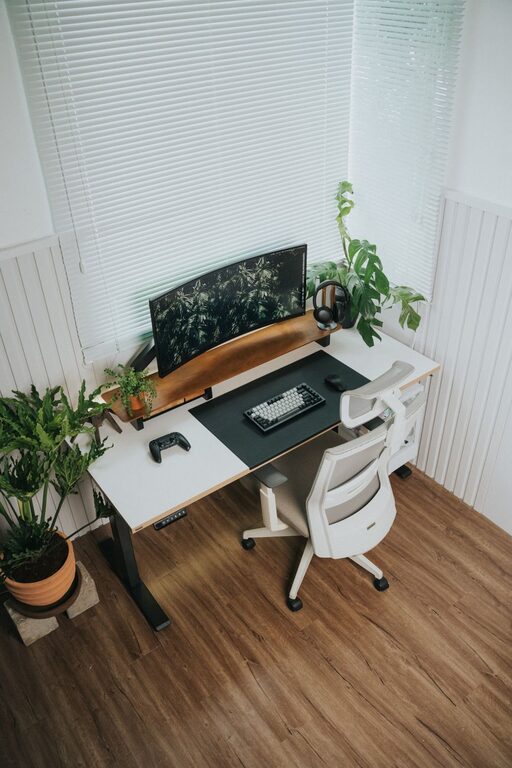
– Ergonomic chair: Find a chair that supports your lower back and allows you to sit with feet flat on the floor.
– Appropriate desk height: Ensure your desk allows your arms to rest comfortably with your elbows at roughly 90 degrees.
– Monitor positioning: Position your computer screen at eye level to avoid strain on your neck.
Optimise Lighting and Air Quality
Your environment’s atmosphere influences your alertness and mood. To create an inviting and energising workspace:
– Natural light: Position your desk near a window if possible. Natural light reduces eye strain and improves your mood.
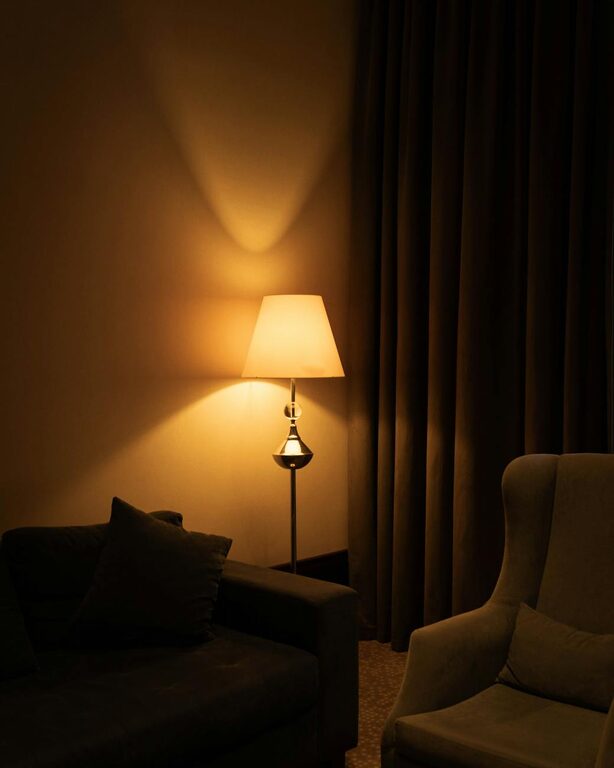
– Artificial lighting: Use soft, diffused lamps rather than harsh overhead lighting.
– Fresh air: Open windows to circulate air or use an air purifier to maintain good air quality.
Minimise Distractions
A cluttered and noisy working environment can reduce productivity. Consider these strategies to keep distractions at bay:
– Declutter your desk: Keep only essential items on your work surface.
– Use noise-cancelling headphones: If noise is unavoidable, headphones can help you maintain focus.
– Turn off notifications: Silence unnecessary phone and computer alerts during work sessions.
Develop a Daily Routine
Creating structure in your day helps you stay on task and balance work with breaks.
– Set consistent work hours: Start and finish work at regular times to build routine.
– Use time blocks: Allocate specific periods for tasks to avoid procrastination.
– Schedule breaks: Short, frequent breaks refresh your mind. Consider techniques like the Pomodoro method (25 minutes work, 5 minutes rest).
Personalise Your Workspace
Adding personality to your home office can motivate and inspire you.
– Decorate with plants: Greenery helps reduce stress and improves air quality.
– Add artwork or photos: Personal touches make the environment more enjoyable.
– Choose colours wisely: Blues and greens are calming, while yellows can boost energy.
Utilise Organisational Tools
Staying organised supports efficiency by saving time and reducing frustration.
– Use storage solutions: Drawers, shelves, and desk organisers keep your materials tidy.
– Digital organisation: Use apps for task management and document storage to reduce paper clutter.
– Cable management: Keep cords neat and out of the way to maintain a clean appearance.
Set Boundaries with Others
If you share your home with family or housemates, clear boundaries help maintain a productive environment.
– Communicate your schedule: Let others know your working hours to minimise interruptions.
– Use visual cues: A sign or closed door can signal when you should not be disturbed.
– Designate quiet times: Agree on periods of silence or limited noise during your busiest work moments.
Keep Healthy Habits
Good physical and mental health supports productivity.
– Stay hydrated: Keep a bottle of water at your desk.
– Move regularly: Stand up, stretch, or take brief walks to reduce stiffness.
– Maintain good posture: Check your seating and positioning throughout the day.
Review and Adjust Regularly
Your needs might change over time, so regularly evaluate your workspace setup.
– Identify challenges: Notice what distracts you or causes discomfort.
– Make improvements: Adjust lighting, seating, or organisation as necessary.
– Stay flexible: Experiment with changes until you find what works best.
—
Creating a productive home office environment doesn’t require elaborate changes. By focusing on comfort, organisation, and boundaries, you can build a space that supports you in working efficiently and happily from home. Remember, the ideal workspace is one that suits your individual needs and helps you feel motivated each day.